
Understanding the OAS recovery tax, without the jargon
Above a certain income, Old Age Security is gradually paid back. Fewer retirees are affected than many assume.
By Editorial Desk · November 12, 2026 · 5 min read
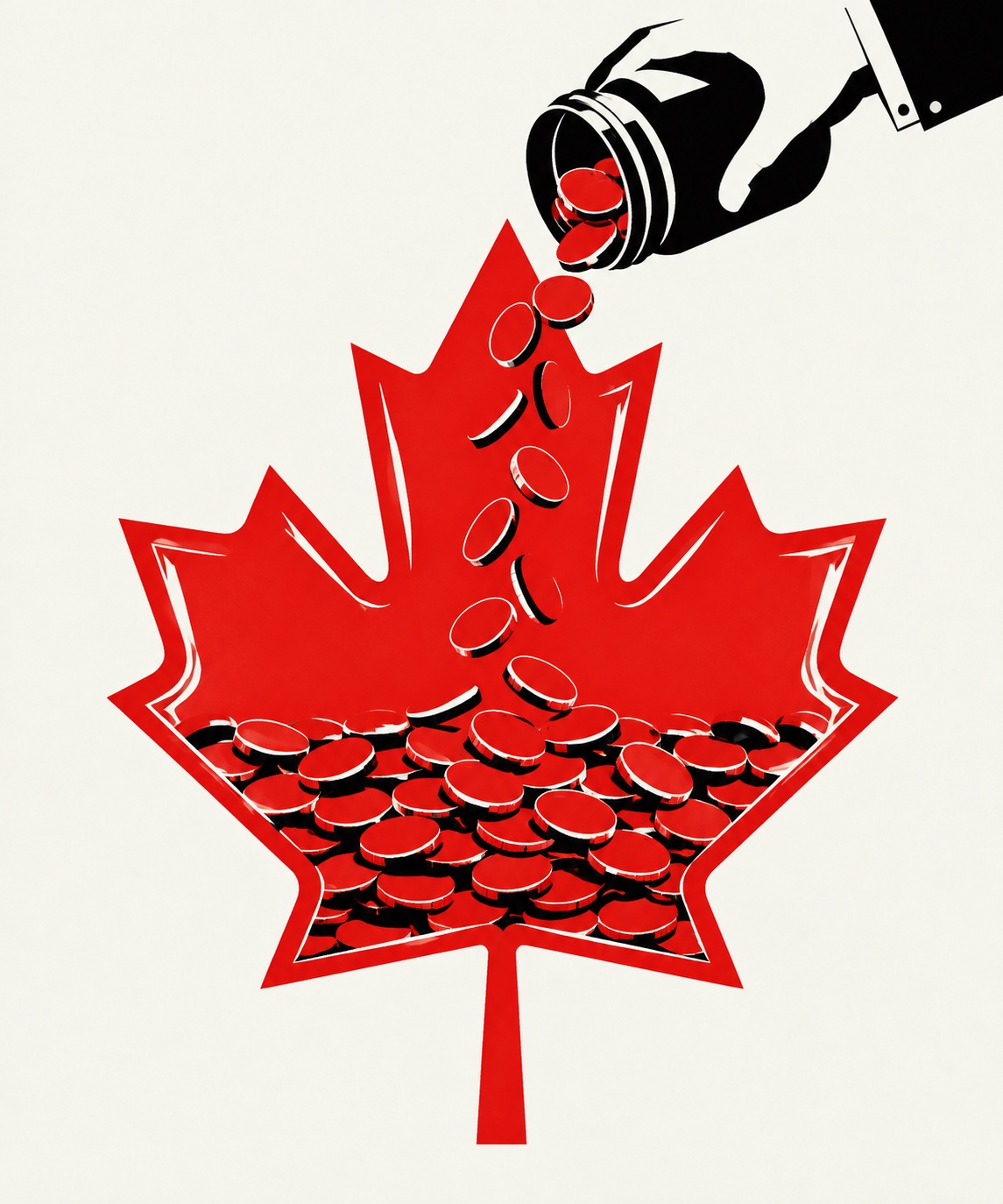
Old Age Security is paid to most Canadians aged 65 and over, regardless of work history. But when net income passes an annual threshold, the government recovers 15 cents of OAS for every dollar above that line.
The so-called clawback is calculated on your tax return and then applied to the following year's payments. For retirees close to the threshold, the timing of RRSP withdrawals, pension splitting and capital gains can make a meaningful difference.
Thresholds are indexed each year, so check the current figure on the Government of Canada website before planning around it.
How the clawback works in practice. Say a retiree's net income for the year is $10,000 above the threshold. Fifteen per cent of that, $1,500, is recovered. Canada Revenue Agency then holds back part of each OAS cheque from July of the following year to June of the year after. Once income climbs high enough, OAS is recovered in full.
What counts as income. The test uses line 23400 of your tax return, net income before adjustments. That includes CPP, workplace pension payments, RRSP and RRIF withdrawals, interest, the grossed-up amount of Canadian dividends and half of any capital gain. TFSA withdrawals are not counted, which is one reason the TFSA is so useful for retirees near the line.
Pension splitting. Couples can move up to half of eligible pension income, including RRIF income once the holder is 65, to the lower-income spouse on their tax returns. When one spouse sits above the threshold and the other well below, splitting can reduce or remove the clawback for the household.
Timing large withdrawals. A one-time RRSP withdrawal, the sale of a cottage or rental property, or a large dividend can push income over the line for a single year. Spreading withdrawals over several years, or drawing down registered savings in the years before OAS begins, can smooth taxable income.
Deferring OAS. OAS can be delayed for up to five years, to age 70. Each month of delay raises payments by 0.6 per cent, up to 36 per cent more. For someone still working or with high income in their late sixties, waiting can avoid a few years of recovery tax and lead to a larger pension later.
For British Columbians, the clawback sits beside provincial considerations too. BC tax credits for seniors and some provincial programs are also based on net income, so lowering taxable income can help in more than one place.
Before acting on any of these ideas, confirm the current threshold and rules with the Government of Canada, and look at your own numbers. A small change in the order you draw income can matter more than most people expect.
Information provided is for educational purposes only and should not be considered financial, tax or legal advice.
← All stories